What Remains

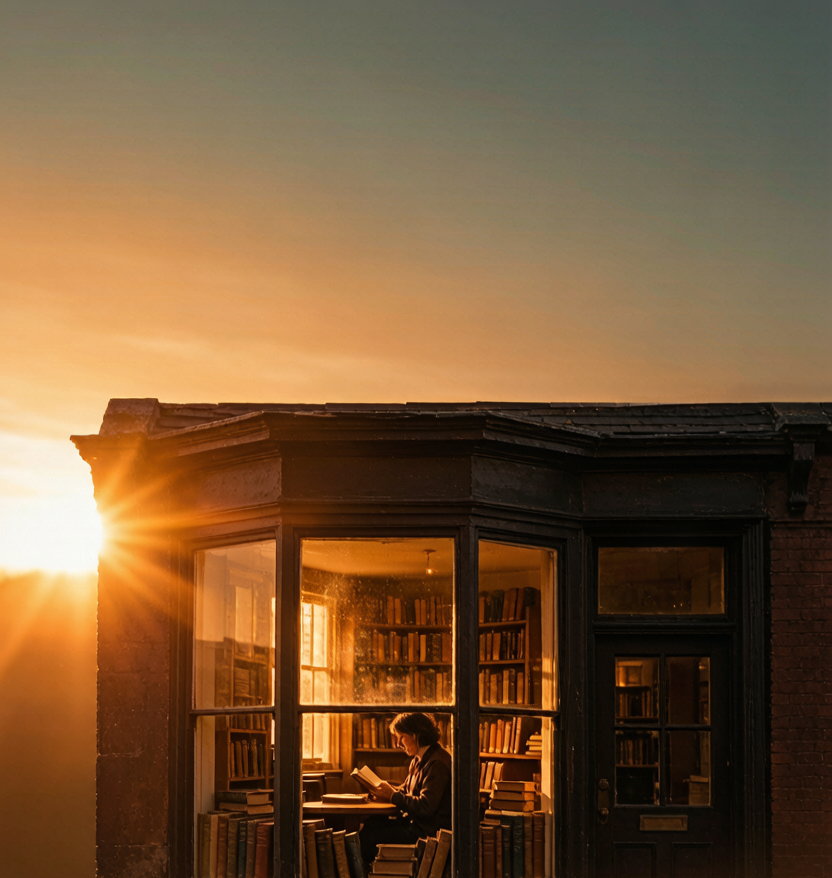
After her husband dies, Clara Santos returns to the village in Portugal where she was born. She has not been back in thirty years, not since she left as a young woman with big dreams and a one-way ticket to America. Now she is back to settle her late mother's estate, sell the old house, and return to her life in Boston. But the village has other plans. The house is full of her mother's things, each object a fragment of a life Clara never fully understood. As she sorts through photographs, letters, and keepsakes, she begins to piece together a picture of her mother that is radically different from the woman who raised her. There are secrets in the house, and in the village, and in the olive grove where Clara played as a child. To find out who her mother really was, Clara must also confront who she herself has become in the years since she left. What Remains is a novel about identity, migration, and the things we leave behind.
📖 Story Synopsis
After her husband dies, Clara Santos returns to the village in Portugal where she was born. She has not been back in thirty years, not since she left as a young woman with big dreams and a one-way ticket to America. Now she is back to settle her late mother's estate, sell the old house, and return to her life in Boston. But the village has other plans. The house is full of her mother's things, each object a fragment of a life Clara never fully understood. As she sorts through photographs, letters, and keepsakes, she begins to piece together a picture of her mother that is radically different from the woman who raised her. There are secrets in the house, and in the village, and in the olive grove where Clara played as a child. To find out who her mother really was, Clara must also confront who she herself has become in the years since she left. What Remains is a novel about identity, migration, and the things we leave behind.
✎ Editor's Review
Isabel Flores's novel is a beautiful, melancholy exploration of roots and return. The Portuguese village is rendered with a naturalist's eye for detail, and Clara's journey of discovery is both specific and universal. The objects in her mother's house are used effectively as narrative devices, each one opening a window into a different aspect of the past. Flores's prose is elegant and measured, with a rhythm that mirrors the slow pace of village life. The novel does not break new ground thematically, but its execution is exemplary. A quiet, lovely novel that will resonate with anyone who has ever tried to go home again.